

Drywall Mold Removal in Fairfield, OH
Fairfield's year-round moisture retention—from consistently humid summers through damp spring and winter months—creates conditions where drywall becomes vulnerable to mold colonization if indoor humidity and ventilation are not actively managed, a concern that affects properties across neighborhoods like Chevington Woods and Pleasant Run Farm. Drywall mold removal requires swift, contained extraction to prevent spore dispersal and structural compromise, and connecting you with local remediation providers who understand Fairfield's specific moisture challenges ensures the affected material is handled safely and thoroughly. Cooper Mold Remediation links you directly to independent providers in your area who can assess drywall damage, contain the affected zone, and execute removal without disrupting your home's air quality or leaving hidden moisture behind.
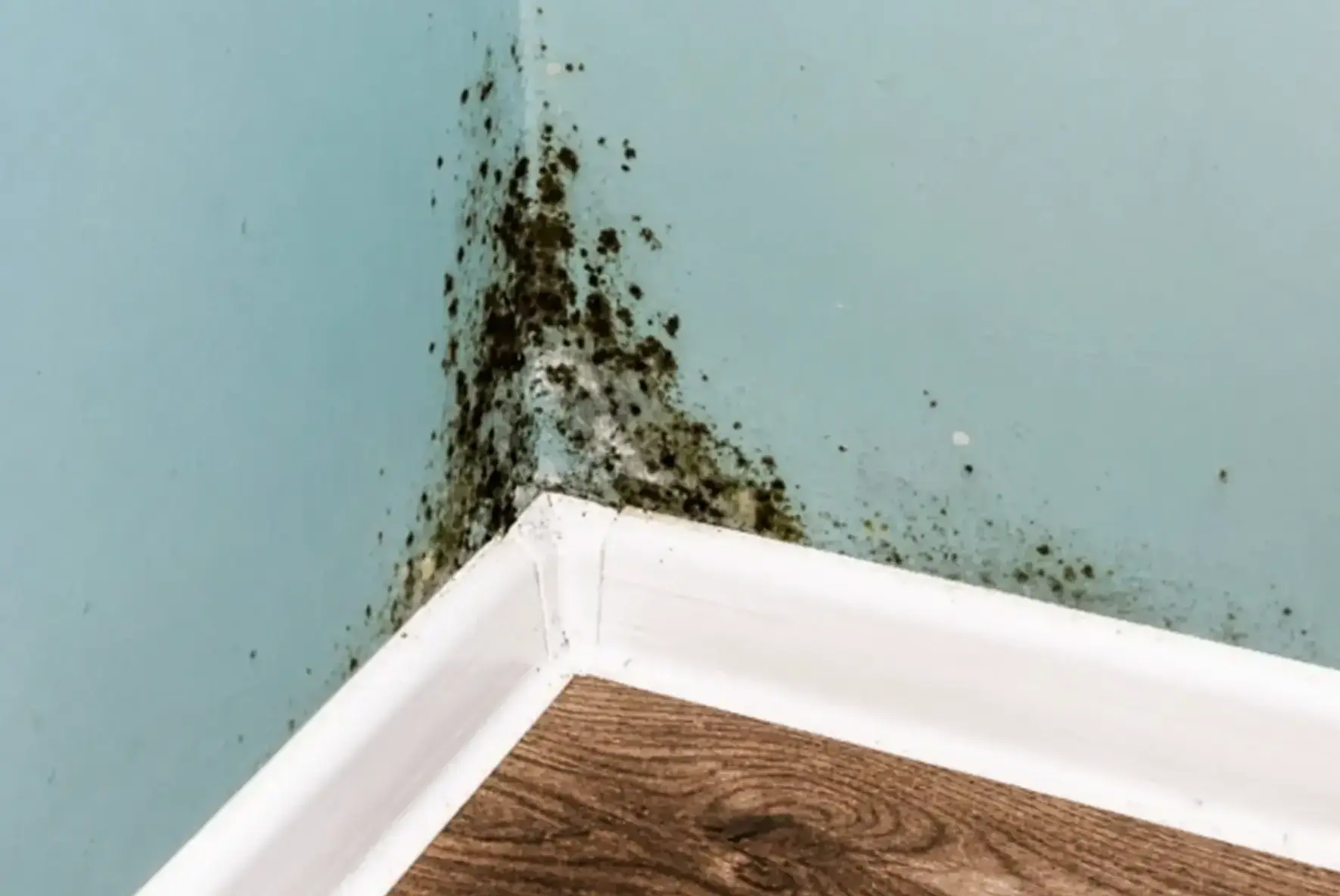
What gets cleaned in a wall cavity, and what comes out
Two questions decide the scope of any mold job: what is it growing on, and how much of it is there. The EPA publishes an answer for both, and this is that guidance applied to the materials you would expect in a wall cavity.
| Material | Under 10 sq ftabout a cabinet door, or one ceiling tile | 10 to 100 sq ftroughly one wall, or a small bathroom | Over 100 sq ftmore than one room's worth of surface |
|---|---|---|---|
| Wallboardthe wallboard itself, both facesEPA, Table 2 | HEPA vacuum | HEPA vacuumRemove and discard | HEPA vacuumRemove and discard |
| Wood surfacesstuds, plates and sheathing behind itEPA, Table 2 | Wet vacuumDamp wipeHEPA vacuum | Wet vacuumDamp wipeHEPA vacuum | Wet vacuumDamp wipeHEPA vacuumRemove and discard |
What those methods mean, in EPA's words
- Wet vacuum
Wet vacuums are vacuum cleaners designed to collect water. They can be used to remove water from floors, carpets and hard surfaces where water has accumulated.
EPA, cleanup methods- Damp wipe
Mold can generally be removed from nonporous (hard) surfaces by wiping or scrubbing with water, or water and detergent.
EPA, cleanup methods- HEPA vacuum
HEPA (High-Efficiency Particulate Air) vacuums are recommended for final cleanup of remediation areas after materials have been thoroughly dried and contaminated materials removed.
EPA, cleanup methods- Remove and discard
Building materials and furnishings that are contaminated with mold growth and are not salvageable should be double-bagged using 6-mil polyethylene sheeting.
EPA, cleanup methods
Removed and replaced, whatever the area
- Fiberglass or other insulation — batt or blown insulation in the stud bay.
Fiber glass, or any other insulation material that is wet or visibly moldy (or if an unacceptable odor is present) should be removed and replaced by a qualified heating and cooling system contractor.
EPA, air duct cleaningEPA states this in its heating-and-cooling guidance and it is quoted here as written. Its water-damage table reaches the same conclusion for both fiberglass and cellulose insulation.
These guidelines are for damage caused by clean water. If you know or suspect that the water source is contaminated with sewage, or chemical or biological pollutants, then Personal Protective Equipment and containment are required by OSHA.
EPA, Table 1Porous materials that are wet and have mold growing on them may have to be discarded.
EPA, cleanup methodsMold can grow on wood, drywall, carpet and furniture if they remain wet for more than 24 hours.
EPA, flood cleanup
What shows on the painted face is usually smaller than what is inside the cavity, because the paper facing and the stud bay stay wet long after the surface looks dry. That is why the area measured on the wall and the area actually remediated are rarely the same number. The studs behind are often salvageable even when the board is not.
In Fairfield, 25.8% of the housing stock went up before 1960 — an era of plaster, unlined cavities and supply lines that were never meant to be inspected.Source: US Census Bureau, American Community Survey 2023 5-year estimates, table B25034 — Fairfield County (63,397 housing units; county figure, as this location is not a separate Census place)
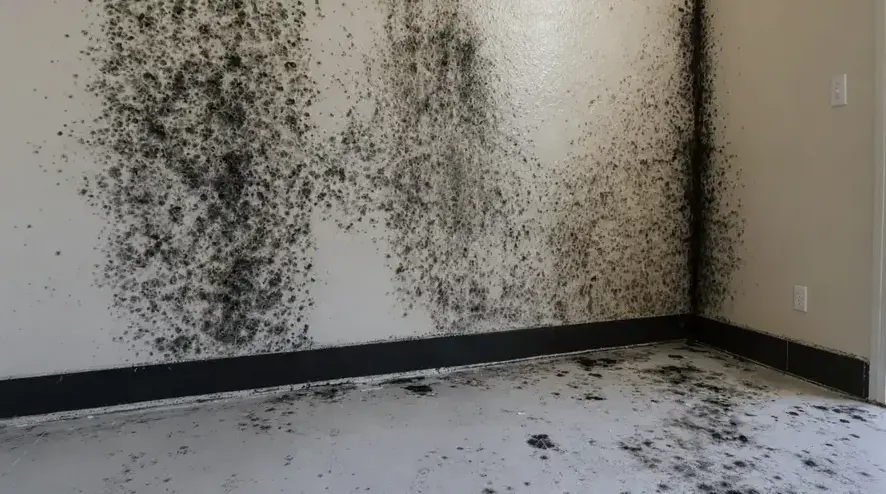
Drywall Mold Removal in Fairfield, OH: Local Solutions
Fairfield's humid continental climate creates persistent moisture challenges throughout much of the year, and that steady indoor dampness creates ideal conditions for mold growth within wall cavities and drywall surfaces. Older homes with basements and newer ranch-style properties with crawl spaces both trap moisture if ventilation isn't adequate, and when water seeps into or behind drywall—whether from plumbing leaks, roof issues, or seasonal humidity—mold can establish itself quickly and spread silently through wall systems. Property owners in neighborhoods like Glenshire and Eastchester often discover mold only after it has already compromised drywall integrity and indoor air quality. Drywall mold removal becomes essential to halt that spread, restore the wall assembly, and protect the home's structure and the health of its occupants.
Cooper Mold Remediation connects Fairfield property owners with local remediation providers who specialize in identifying and removing drywall mold at its source. The process includes thorough inspection to locate affected areas, safe containment to prevent spore spread to other rooms, removal of contaminated drywall sections, moisture source correction, and complete reinstallation with proper ventilation to prevent recurrence. This comprehensive approach addresses not just the visible mold but the underlying moisture conditions that allowed it to take hold. Whether the issue is isolated to one wall or spans multiple areas, the independent providers in our network work methodically to restore your home's interior and air quality, ensuring the job is complete and your property is positioned against future moisture problems.
Why Fairfield Property Owners Choose Cooper Mold Remediation
Fast Local Drywall Mold Removal
Cooper connects you with independent local providers who respond quickly to drywall mold concerns. Rapid assessment and removal help prevent moisture from spreading deeper into walls and framing.
Thorough Drywall Mold Treatment
Drywall mold removal requires careful containment and complete removal of affected material. Cooper's network providers follow proper protocols to address the source and ensure affected areas are fully treated.
Clear Communication Throughout Removal
Drywall mold removal involves multiple steps—assessment, containment, removal, and moisture control. Cooper's independent providers keep you informed at each stage so you understand the work and next steps.
Fairfield's Year-Round Moisture Challenge
Fairfield's humid conditions persist across seasons, creating persistent indoor dampness that encourages mold growth in drywall. Homes here need reliable drywall mold removal and moisture management to maintain healthy indoor air quality.
How Our Drywall Mold Removal Process Works
Schedule Your Drywall Mold Inspection
Contact Cooper Mold Remediation to arrange a drywall mold assessment at your Fairfield property. A local inspection provider will evaluate affected wall sections, identify moisture sources, and determine the scope of drywall mold removal needed.
Assess Drywall Damage and Moisture
The inspector examines drywall integrity, tests moisture levels, and pinpoints where mold has colonized wall cavities and surfaces. In Fairfield's humid climate, moisture often persists through seasons, making thorough drywall mold diagnosis essential before removal begins.
Connect with Local Drywall Mold Removal Providers
Cooper Mold Remediation links you with independent local specialists who contain affected areas, safely remove compromised drywall sections, and address underlying moisture to prevent drywall mold recurrence. You'll receive provider contact information and can discuss the removal plan directly.
Dealing with Drywall Mold Removal in Fairfield? Get fast, professional help.
Call Now — (513) 654-9966Drywall Mold Removal Across Fairfield
Fairfield's humid continental climate creates year-round conditions that can trap moisture in walls and building materials. Summer humidity peaks, but spring and winter moisture levels remain high enough to sustain damp indoor environments—a combination that makes drywall particularly vulnerable to mold colonization if ventilation and drainage systems aren't working effectively. Whether you're in an older neighborhood like Lancaster Historic District or a newer development such as Chevington Woods, the moisture management challenges are similar: excess indoor humidity migrates into wall cavities, and once drywall becomes saturated, mold can establish itself quickly and spread beyond visible surfaces.
Drywall mold removal in Fairfield often requires more than surface cleaning. Because drywall absorbs and retains moisture, affected sections may need to be cut out and replaced to prevent regrowth and restore indoor air quality. Cooper Mold Remediation connects Fairfield property owners with independent local providers who assess moisture sources, contain affected areas safely, remove compromised drywall, and address the underlying humidity that allowed mold to take hold in the first place. Early detection and prompt removal protect both the structural integrity of your walls and the health of occupants.
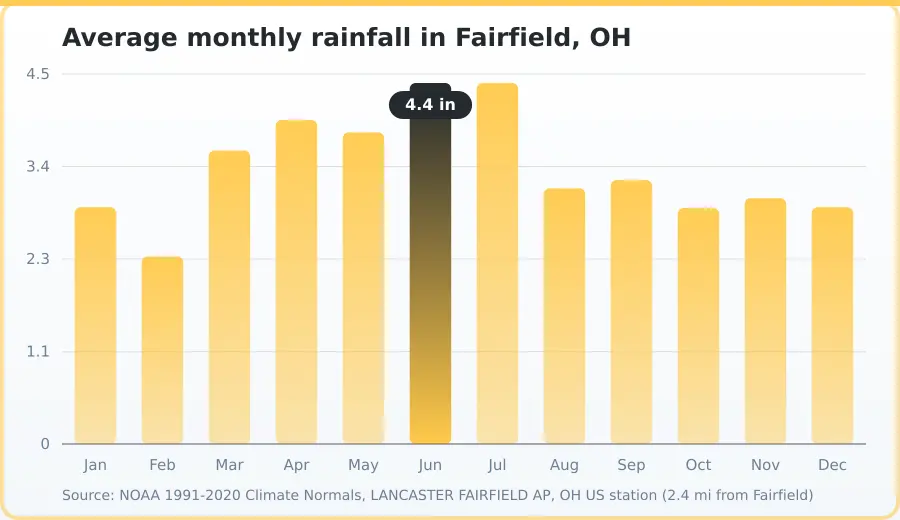
| Period | Monthly rainfall (in) |
|---|---|
| Jan | 2.9 |
| Feb | 2.3 |
| Mar | 3.6 |
| Apr | 3.9 |
| May | 3.8 |
| Jun | 4.4 |
| Jul | 4.4 |
| Aug | 3.1 |
| Sep | 3.2 |
| Oct | 2.9 |
| Nov | 3 |
| Dec | 2.9 |
Source: NOAA 1991-2020 Climate Normals, LANCASTER FAIRFIELD AP, OH US station (2.4 mi from Fairfield). Retrieved October 5, 2026.
Seasonal Drywall Mold Removal Needs in Fairfield
Spring: Thaw and Rising Moisture
Spring snowmelt and increased rainfall elevate indoor humidity levels, causing drywall to absorb moisture and become vulnerable to mold colonization. Early detection of discoloration or soft spots on walls signals active growth. Cooper Mold Remediation connects property owners with local providers who assess moisture sources and plan safe drywall mold removal before the problem spreads.
Summer: Peak Humidity Pressure
Fairfield's consistently high summer humidity creates ideal conditions for drywall mold to thrive and accelerate its spread through wall cavities and behind finished surfaces. Poor ventilation in older homes with basements and newer construction with crawl spaces—both common in the area—traps moisture that feeds mold growth within drywall itself. Cooper Mold Remediation helps property owners identify affected sections and connect with providers equipped to contain and safely remove compromised drywall before spore levels climb.
Fall: Moisture Transition
As temperatures drop and homes close up for winter, drywall that absorbed moisture during humid months becomes a site where mold continues to develop in low-light, stagnant conditions. Wall cavities remain damp longer than visible surfaces, allowing hidden mold to establish deep within drywall structures. Cooper Mold Remediation helps property owners catch these cases early by connecting them with local providers who use targeted inspection and remediation to prevent winter complications.
Winter: Condensation Risk
Winter cold can create temperature differentials that cause condensation to form on interior drywall surfaces, particularly in areas with poor insulation or air sealing—while water damage from pipe freezes also threatens drywall integrity. Damp drywall in unheated or poorly heated spaces becomes a slow-growing mold reservoir. Cooper Mold Remediation connects property owners with local providers who can evaluate water-damaged or condensation-prone drywall and recommend safe removal or restoration before spring humidity returns.
Drywall Mold Removal FAQs — Fairfield, OH
Drywall mold removal typically begins with inspection to identify affected areas, then containment to prevent spore spread. The independent provider will assess whether sections can be cleaned or must be removed and replaced. Affected drywall is often cut out, the underlying cavity treated, and new material installed. Ventilation and moisture control are addressed to support lasting results. Cooper Mold Remediation connects you with local providers who handle the entire process.
Cooper Mold Remediation works to connect Fairfield property owners with independent local providers quickly. Response times depend on provider availability and the scope of your drywall mold situation. Contact us with details about your affected areas, and we'll help match you with a nearby provider who can assess and discuss next steps without unnecessary delay.
Drywall mold removal pricing depends on the size of affected areas, how deep mold has penetrated, whether framing underneath needs treatment, and labor intensity. Accessibility, the number of wall sections involved, and whether contents must be moved all influence cost. The independent provider you're connected with will evaluate your specific situation and discuss pricing details directly with you.
Before drywall mold removal begins, move furniture and personal items away from affected walls to give the provider clear access. Seal off the work area if possible to contain dust and spores. Ensure utilities like water shut-offs are accessible. The independent provider will give you detailed prep instructions based on the job scope. Ask about containment steps they'll take to protect your home's other areas during removal.
After removal, address the moisture source—whether that's a roof leak, plumbing issue, or humidity buildup. Improve ventilation in bathrooms and kitchens, and monitor indoor humidity levels. In Fairfield's climate, where moisture lingers throughout much of the year, consistent air circulation and prompt drying of damp spots are key to preventing recurrence. Your removal provider can recommend ongoing moisture management practices.
Fairfield's humid climate keeps indoor air damp across seasons, and combined with moisture that can accumulate in walls through leaks or condensation, drywall becomes a common mold growth site. Older homes with basements and newer ranch-style properties with crawl spaces both face moisture-trapping conditions that make drywall vulnerable. Early removal prevents mold from spreading deeper into framing and worsening indoor air quality.
Related Services
Homeowner Safety Toolkit
Verify Your Fairfield, OH Mold Remediation Company
Before you hire anyone, use these independent national resources to confirm credentials, standards, and track record.
EPA
The federal government's own guidance on identifying, cleaning up, and preventing mold growth in a home.
Mold Prevention GuideIICRC
Publishes the S520 standard for professional mold remediation. Confirm a company's technicians hold real, current IICRC certification before you hire them.
Verify CertificationCDC
Covers the health effects of mold exposure and safe cleanup practices, separate from the remediation work itself — useful if anyone in the home has respiratory symptoms.
Mold Health GuideDealing with Drywall Mold Removal in Fairfield, OH? Call (513) 654-9966 for 24/7 help.
Call Now — (513) 654-9966Areas We Serve in Fairfield, Ohio
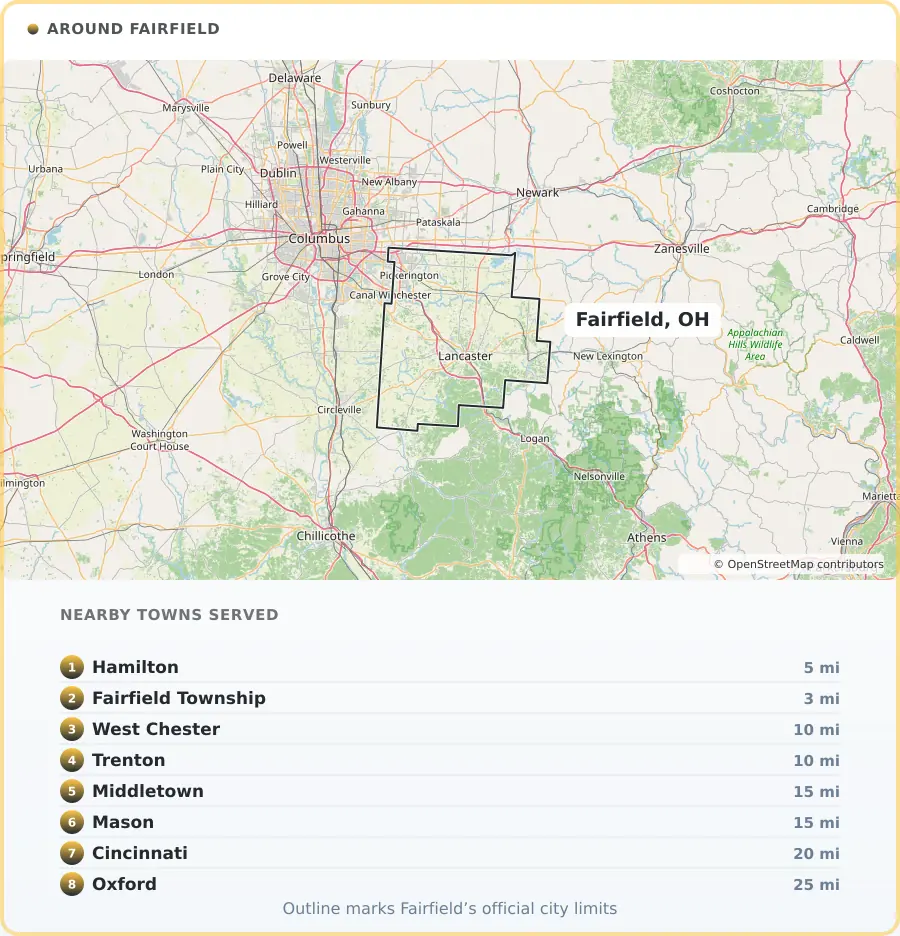
Serving Fairfield, OH and 8 communities around it. Local knowledge of how each area is built shapes how the work is handled there.
Fairfield, OH Information
Tucked into Butler County along the Ohio 4 corridor, Fairfield, Ohio sits as a steady, well-rounded piece of the greater Cincinnati-Hamilton metro. With roughly 42,500 residents, it's large enough to support a genuinely diverse economy, yet still carries a neighborhood feel in areas like Pleasant Run Farm and the Lancaster Historic District. Cincinnati Financial Corporation calls Fairfield home, anchoring a strong base of insurance and financial services, while manufacturing and logistics operations keep goods and jobs moving through the region.
Fairfield's character shows up in its mix of everyday institutions: Kroger, Mercy Health, and the Fairfield City School District alongside destination retail like Jungle Jim's International Market, a local favorite that draws visitors from well beyond the city line. It's a community built on work that matters and a identity that feels both grounded and growing.
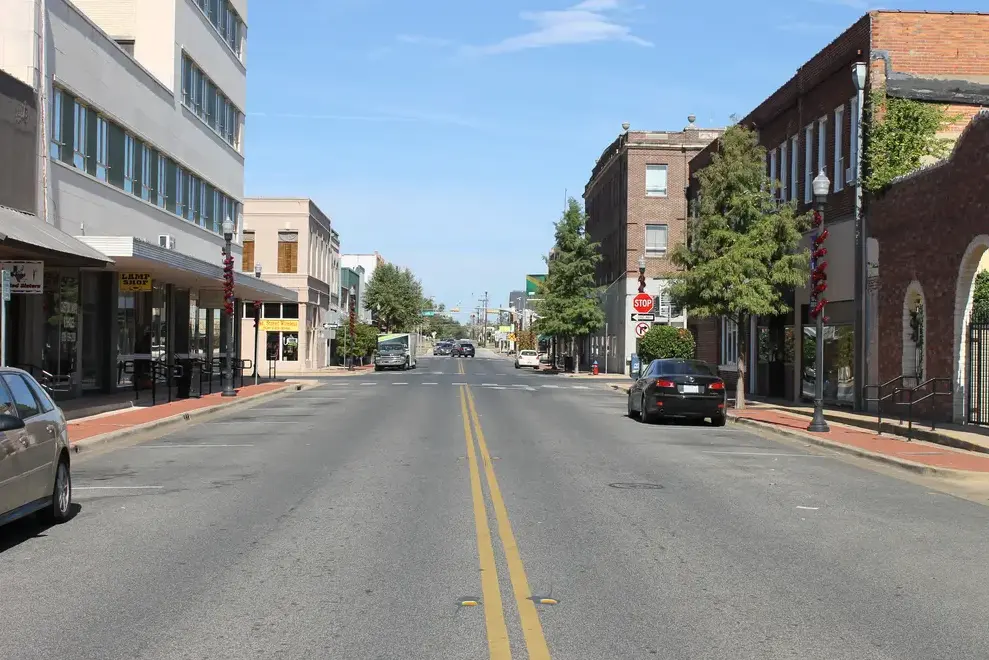
Photo: Billy Hathorn, CC BY-SA 3.0